
Advanced wound care
Why Offloading Matters in Diabetic Foot Ulcer Healing
Reducing repeated pressure can be an essential part of care for selected diabetic foot ulcers, but the safest device depends on the ulcer and the person’s clinical assessment.
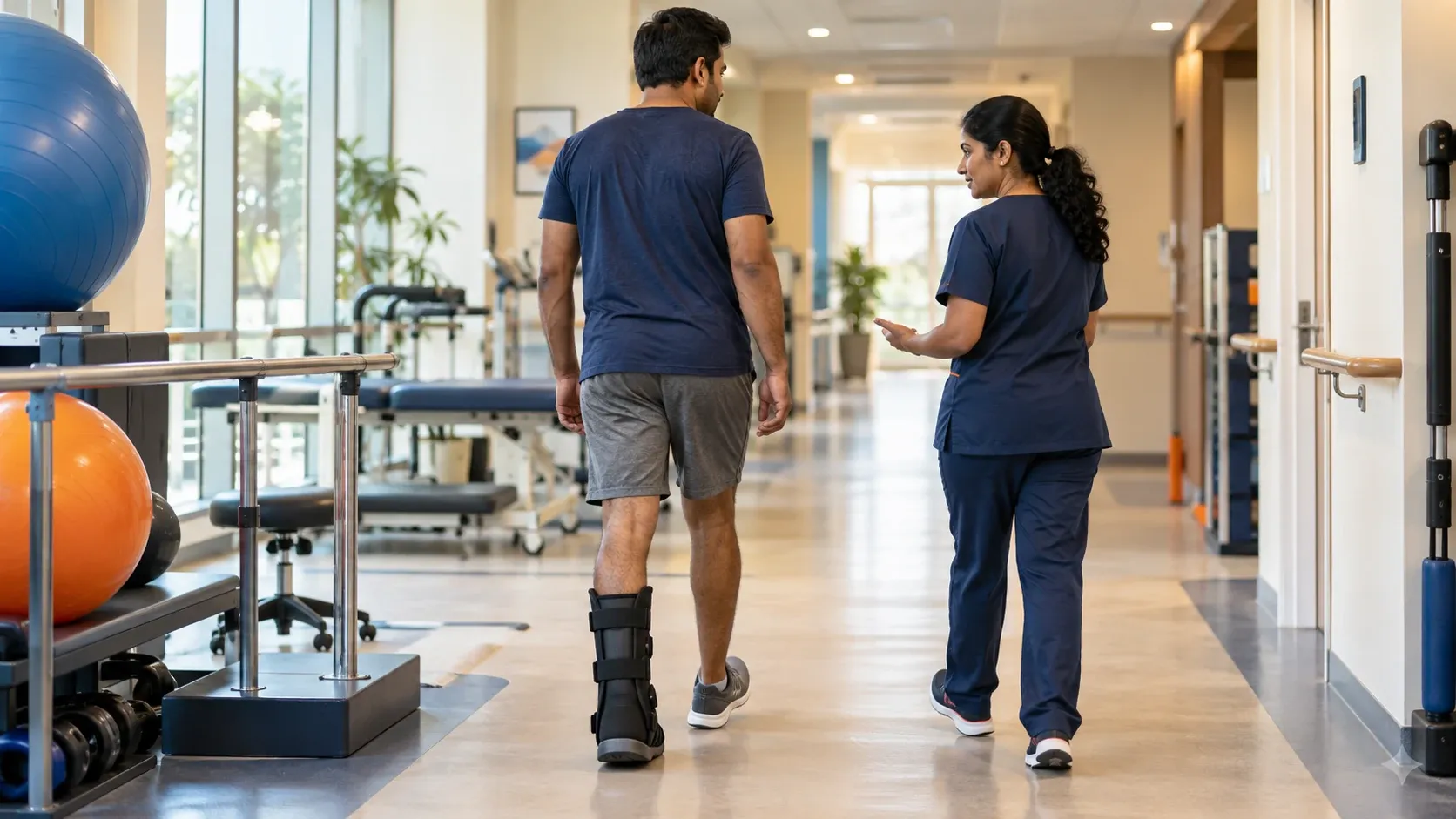
What offloading means
Offloading means reducing pressure and repeated shear on an area of the foot so that a wound is protected during healing. Pressure can come from walking, standing, footwear, a callus, a change in foot shape or the way weight moves through the foot. If the same area is repeatedly loaded, a dressing alone may not address the reason the ulcer is struggling.
Offloading is not one single product. Depending on the location and type of ulcer, infection, circulation, sensation, foot shape, mobility, balance and ability to follow the plan, a clinician may consider a non-removable or removable device, therapeutic footwear, a shoe modification, felted foam, orthotic support or another approach. The device must fit safely and be monitored.
Why assessment comes first
Before an offloading plan is chosen, the team needs to understand the wound and the person. Assessment may include the ulcer’s location, size and depth; signs of infection; blood flow; protective sensation; foot shape; gait; footwear; balance; vision; mobility and the ability to use a device safely. A wound with infection or ischaemia may need those problems addressed as a priority while pressure is still reduced in a suitable way.
The most effective option for one plantar ulcer may be unsafe or unsuitable for a different ulcer. A device that changes walking mechanics can affect balance, the other foot, the knee or the hip. It may also create a new pressure point if it is not fitted or reviewed correctly.
Common approaches
For selected plantar forefoot or midfoot ulcers without significant infection or ischaemia, guideline-based care may favour a properly fitted non-removable knee-high offloading device when it is appropriate and tolerated. If that is contraindicated, unavailable or not accepted, a removable device or another pressure-relieving method may be considered. Non-plantar ulcers may need footwear modification, toe spacers, orthoses or other targeted protection. These are clinical decisions, not instructions to select a device from a catalogue.
Use the prescribed device as directed and attend follow-up. The team may need to adjust the fit, inspect the skin, check the wound and review whether the plan is being used safely. Ask what to do if the device causes rubbing, new redness, numbness, pain, swelling or difficulty walking.
Protecting the rest of the foot
Check both feet daily and look inside the device or footwear for debris or damaged areas. Do not walk barefoot. Follow the dressing plan and keep the wound review schedule. Do not alter a cast, cut a device, add padding or switch to a different shoe without asking the clinical team. If the ulcer becomes more painful, red, swollen, wet, odorous or visibly larger, seek prompt advice.
Follow-up is part of offloading
Pressure relief works only if it is safe, used consistently and reviewed. A device may need adjustment as swelling changes or as the wound improves. The team may inspect the skin at contact points, check the wound, review walking balance and discuss whether the device is being worn as planned. If a removable device is prescribed, ask when it should be worn and what activities are safe; do not assume that removing it for convenience is harmless.
If the device makes walking unsafe, causes a new sore, rubs the ankle or leg, creates numbness, or cannot be used because of work or home circumstances, tell the team promptly. A practical alternative may be safer than silently abandoning the plan. The goal is an individualised pathway that protects the ulcer while preserving safe mobility where possible.
Offloading may also need to be combined with treatment of infection, management of circulation, wound debridement, dressing changes, diabetes care and attention to footwear or gait. No single device heals every ulcer. If the wound is not progressing as expected, the team may reassess the diagnosis, pressure pattern, infection, blood supply and the practical fit of the plan rather than simply increasing pressure relief without review.
When urgent care is needed
Urgent assessment is needed for fever or feeling very unwell, rapidly spreading redness, severe pain, black or dusky tissue, a cold or suddenly pale foot, suspected deep infection, or a wound with suspected poor circulation. Offloading should not delay treatment of a limb- or life-threatening problem.
Takeaway
Pressure relief can be an important part of diabetic foot ulcer care, but the right method depends on assessment and follow-up. Offloading is safest when it is prescribed, fitted, monitored and combined with care for infection, circulation and the wound itself.
This article is for general education and is not medical advice. Individual concerns require appropriate clinical assessment.
Related clinical content